
We Were Never Meant to Do This Alone (Part 1 of Regenerative Intelligence)
Purpose, AI, and the Myth of the Individual

Author’s Note:
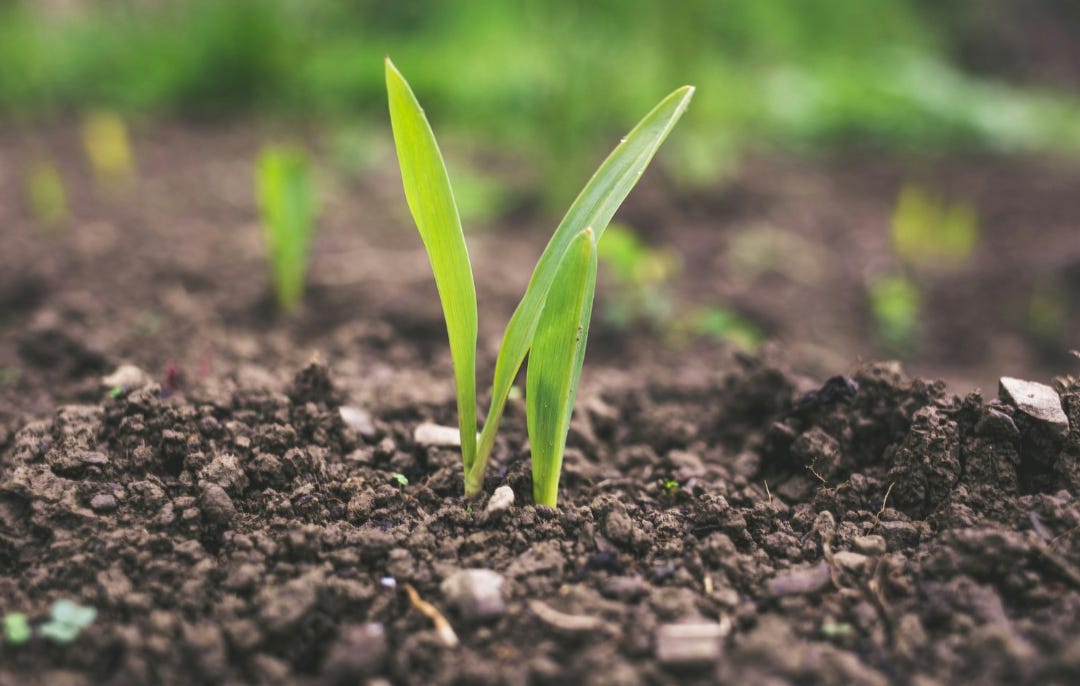
Regenerative Intelligence is a new series that follows The Long Unwinding. Where that series explored what’s falling away, this one turns toward what might take root in what remains.
I’ve been noticing how deeply we’ve been taught to go it alone.
Even when we talk about purpose, it’s almost always framed as an individual pursuit. Something you’re supposed to discover, name, articulate, and ideally…monetize. We imagine it as something singular and definable. Something we must not only live, but market. It’s no longer enough to have a calling. We’re expected to turn that calling into a brand or a business.
And even when the work itself is genuine—something that feels true to the soul—it still seems to end up shaped by the same mold: the job title, the pitch, and the pressure to sound clear, sharp, and unique.
I’ve seen people describe themselves as grief guides, emotional doulas, nervous system coaches. Beautiful work, all of it. But I find myself wondering: What would these roles look like outside of a culture that demands individual packaging? What would it feel like to offer something vital, and not because you branded it well, but because your community recognized the gift and said, this is needed here?
It’s important to say that I’m writing from a US-based perspective. In many parts of the world, the idea of purpose hasn’t always been so tightly bound to career or individual achievement. Take China, for example, where for generations purpose was largely shaped by one’s role within family or society. You weren’t expected to “find” your calling as much as fulfill your part in a larger social fabric. Even now, despite rising individualism in modern Chinese culture, that thread of collectivism remains. There’s less pressure to make your purpose marketable as a brand, and more emphasis on fulfilling responsibilities within the whole. It’s not a perfect model, but it offers a useful contrast to the hyper-individualized framing so common in the US.
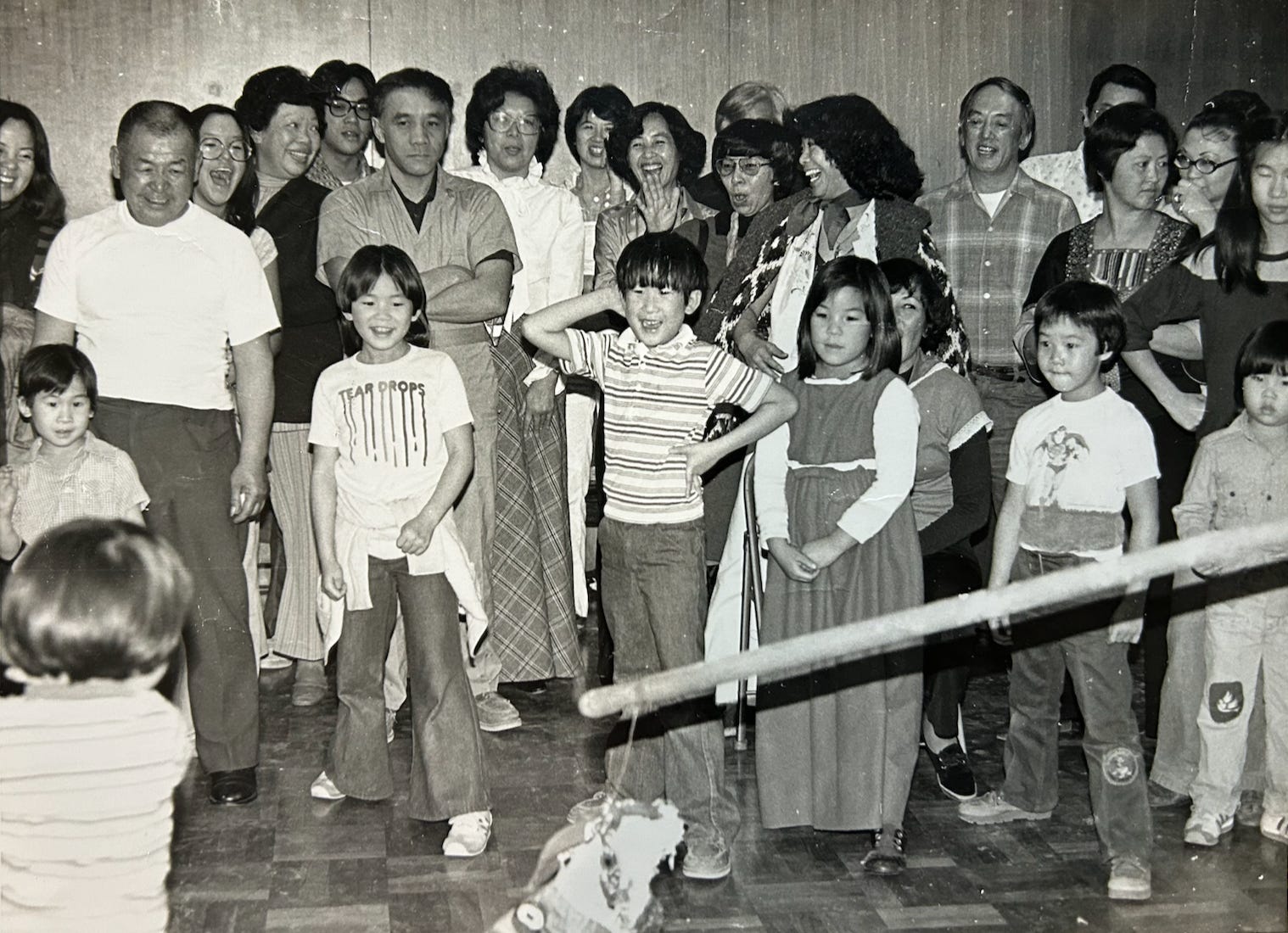
I grew up surrounded by a massive extended family. That was our primary social group. Weddings, banquets, mah jong nights, poker games in someone’s basement. The older generations held it all together. As time moved on and they grew older, the younger ones didn’t continue the traditions. I went to a family reunion recently, and it was the first time we’d gathered in over a decade. Before that, the last gathering was for a funeral.
Something changed.
Something unraveled.
This obsession with “finding your purpose” isn’t as ancient as it feels. It’s largely a modern response to something we’ve lost.
In many ancestral and communal cultures, purpose was lived. It didn’t need “discovering.” It was relational. It was woven into your connection with land, family, rhythm, season, and story. You knew your place because you belonged. Meaning was intrinsic.
But in Western culture, especially in the US, we’ve replaced community with competition, place with mobility, and shared story with individual branding. The systems that once held meaning were dismantled. In their place, we created the myth of the sovereign self. And with it, the pressure to generate your own purpose from scratch.
So now, in a society that abandoned tribalism and collectivism, we tell people they must “find” their purpose. As if it’s a lost object that lives outside of relationship.
But what if purpose isn’t something we invent or claim?
What if it’s something we remember, receive, and offer together?
I recently came across a video about neurodivergent people in tribal societies. The idea was simple but powerful: those with unique ways of perceiving the world were valued not in spite of their differences, but because of them. They weren’t expected to fit into a predefined role. They were honored for the exact way their minds and bodies moved. And they didn’t need to handle everything. Others in the tribe took care of the rest.
Picture this: the person with the creative vision cooks, and someone else who likes to restore order does the dishes, and makes space for what comes next. Each offers what comes naturally.
This is how I believe we were meant to live.
In relationship. In rhythm. And in roles that arise not through self-branding, but through mutual recognition.
Of course, having a sense of personal purpose is still meaningful. We are, after all, individual expressions of something larger, like waves in the ocean of consciousness. The call to uncover what feels true or alive for us is real. But maybe we’ve been holding that call within too narrow of a frame.
What if purpose isn’t something we own but something we offer, something that lives in relationship, arrives in season, and moves in rhythm with the whole?
What if our work, our roles, and our ways of contributing could honor both the distinctiveness of the self and the needs of the field?
The neighbor who waters your garden when you’re away.
The coder who contributes to a tool everyone can use, with no logo attached.
The mycelium in a forest, or bees in a meadow, each playing their part without the need for justification.
And now, with AI rapidly reshaping the world of work, the myth of individual purpose is taking on new urgency. We’re being told that automation will free us up to “find what really matters.” But that invitation often arrives with the same pressure: to pivot, build, and reinvent ourselves as entrepreneurs or creators. And if “finding your purpose” just becomes another way to fuel productivity in a post-AI economy, we haven’t freed ourselves at all. We’ve simply changed the packaging of self-worth.
If AI is replacing what we do, then our sense of purpose must shift toward who we are. Not as output machines, but as relational beings. In connection, and in reciprocity. As part of a larger field of intelligence: human, nonhuman, and beyond.
Because maybe AI isn’t just disrupting work.
Maybe it’s actually disrupting the myth of the separate self.
And in doing so, it’s pointing us back to the collective—
back to roles we don’t have to brand,
meaning that emerges in connection,
and the kind of intelligence that remembers:
we were never meant to do this alone.
If you’re new here, you can find my previous three-part series, The Long Unwinding, in the archive.
If you enjoyed this piece, you can support my work by becoming a free or paid subscriber, or by buying me a cup of tea. 🍵🙏🏼
I too hope that AI will bring us better connections as a collective and usher in a kinder humanity. I appreciated your perspective on the importance of humanness. I also think agency and our unique voice are important considerations at this moment in time.
Yessss. “The myth of the separate self.”
Perhaps intelligence -consciousness itself- is relational by its very nature. Seeing ourselves cleanly in the mirror of AI can help us remember the network that we’ve always been connected to. Life itself.