
Path of the Gods
A story about letting go of the plan

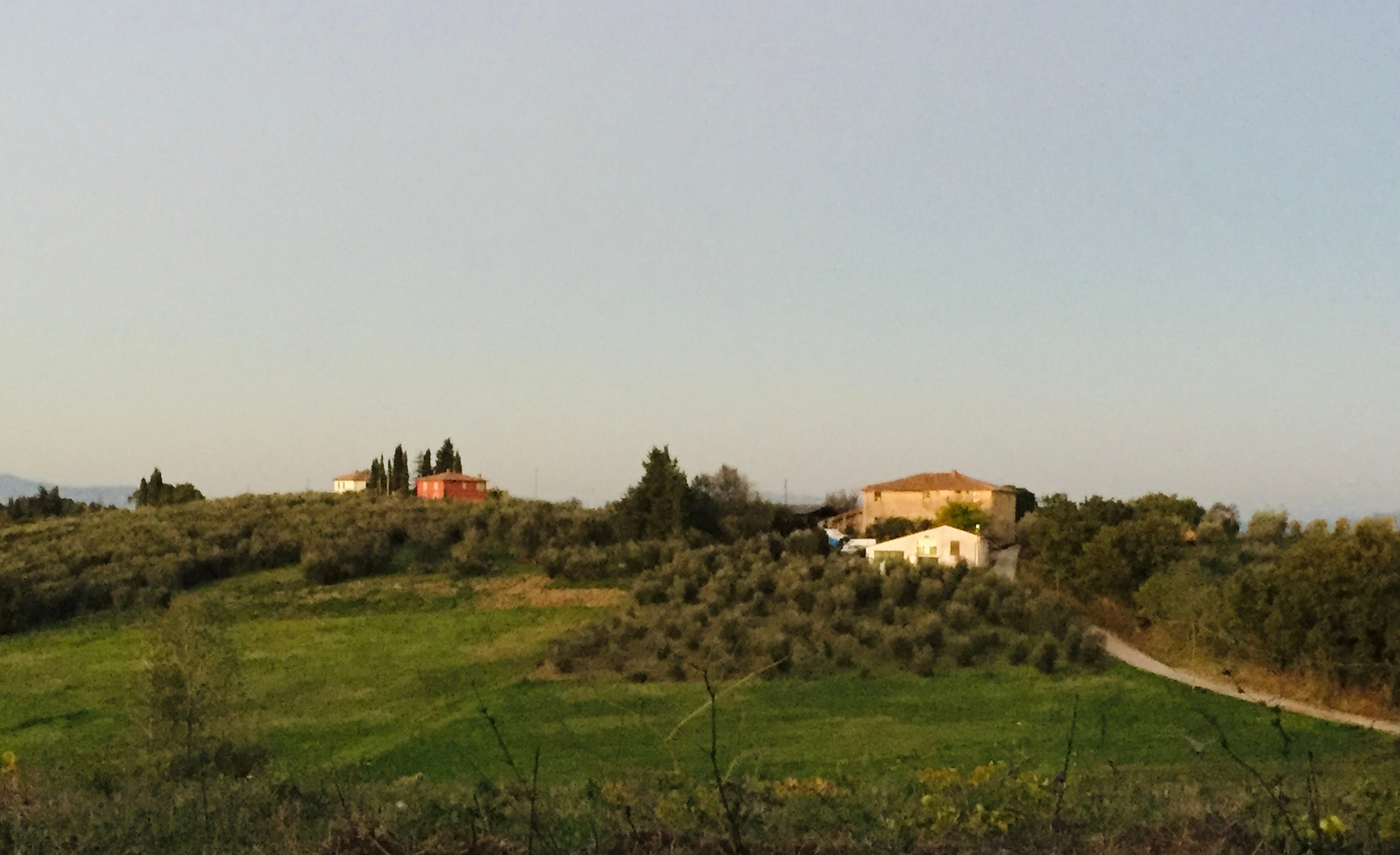
It’s been about ten years since I went to Italy for a practitioner training program in Tuscany, toward the end of a period in my life when I was used to having things planned out.
The trip was booked several months in advance, and I left four days open at the end of the training for a little traveling. I didn’t have a strong sense of where to go, and knew I’d be on my own. Being solo in a foreign country is something I’d experienced before many times in my life, but it wasn’t my favorite way to travel. Even so, I was looking forward to having a mini adventure. I did some research online, talked to friends, looked through a couple of guidebooks, but nothing sparked.
When the trip was a few weeks away and still nothing felt alive, I was surprised. I’d imagined myself exploring small medieval towns in Tuscany, but all of the places I came across in my research felt flat. So I did something I hadn’t done in a very long time. I left without a plan beyond the program. No itinerary, no hotel booked, no vision for what would come next. That alone felt like a big risk for me at the time. Twenty years prior, it would’ve been no big deal. I would’ve relished the opportunity to have some open-ended, unplanned travel time. But after being married, raising my daughter, and spending over a decade planning family trips down to the smallest detail, leaving things open no longer felt comfortable.
On one of the first evenings of the training, I sat down next to an American woman I’d met years earlier in another course. We ate dinner together and caught up on our lives and practices. Conversation flowed easily, the way it sometimes does when you’re in the moment and time disappears. At some point she asked if I was doing any traveling after the retreat. I told her I had four free days and no plan at all.
She smiled and told me hers.
She was going to the Amalfi Coast for exactly four days, and had already booked a car to the train station, a train to Positano, a hotel room, and a return train back to Florence to fly home to the US. Everything was mapped out.
Something in me lit up.
I felt a knowing in my body that something exquisite had just conspired.
I asked if she might want a travel companion.
She said yes immediately.
I thought about the months I’d spent trying to figure out where to go, the anxiety that came up, the confusion. And in that moment I could hear all the little unseen helpers in the background giggling.
That night, I booked the same train, a hotel down the street from hers, and a train back to Florence. Our flights home were on the same day so we’d be able to travel together the entire way to the airport.
It all fell into place because I hadn’t tried to force something that didn’t want to be forced.
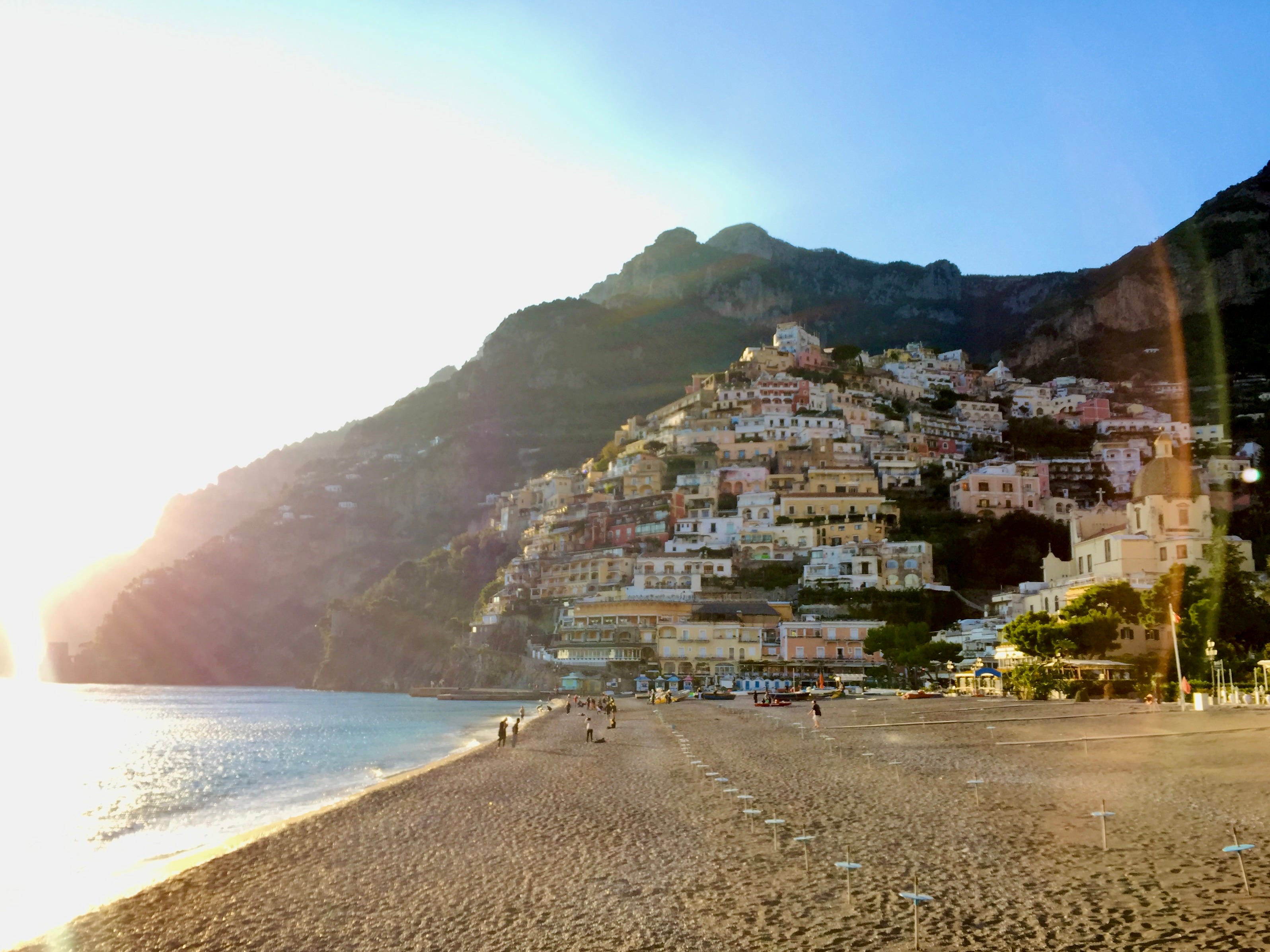
Positano was all color and movement. We walked narrow streets, steep stairs, and were surrounded by mountains, water, light. One day we explored the ruins of Pompeii, a city frozen in the middle of an ordinary day.
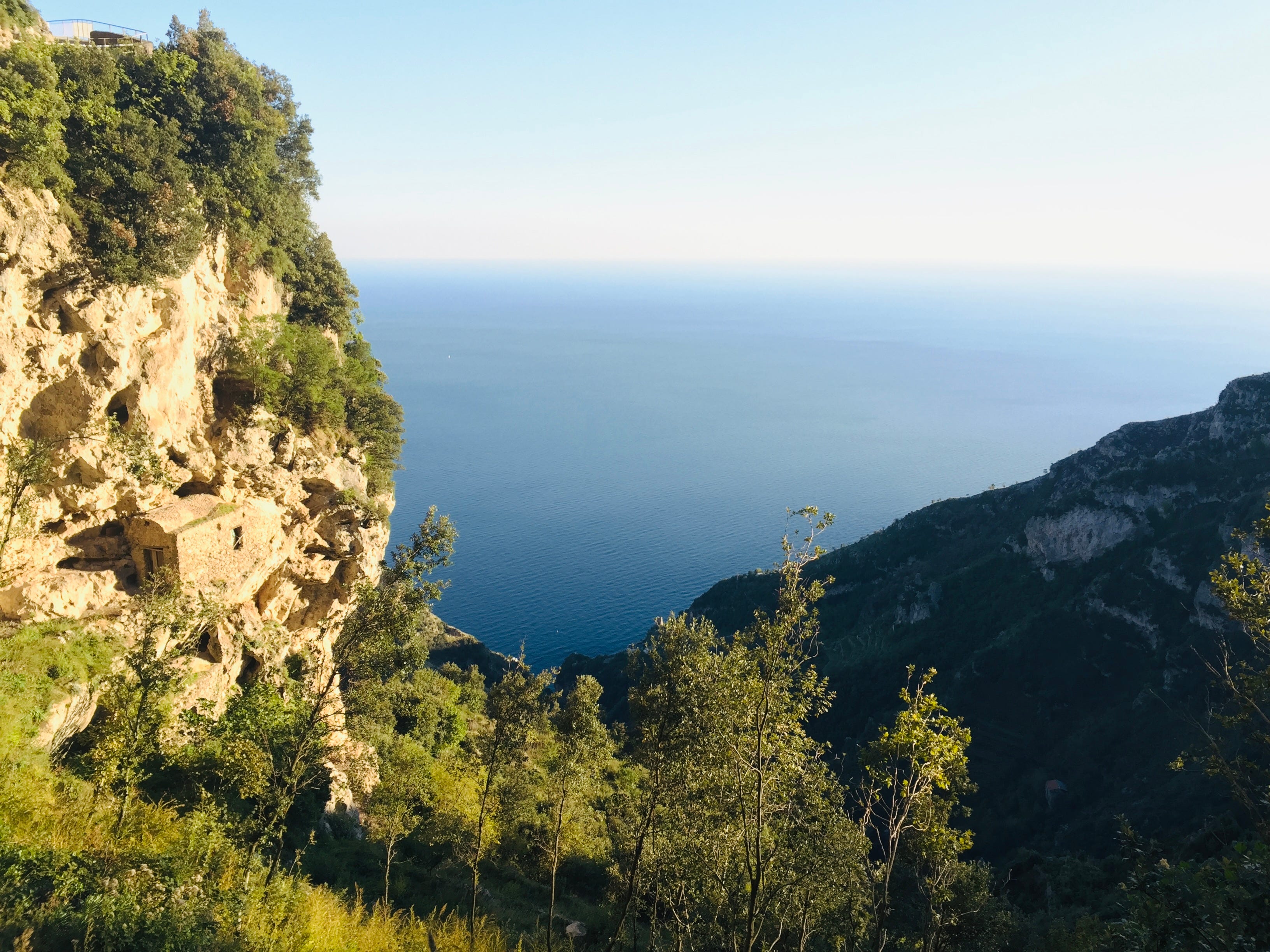
On our last full day before flying home, we decided to hike the Path of the Gods, a trail that winds high above the Mediterranean Sea, cutting across the mountains between small towns.
We both slept in that day and got a late start. We hopped on a bus that took us high up into the mountains, winding around cliffs, and finally reached the trailhead in the middle of the afternoon. It was fall and we knew the amount of daylight would be limited, so we agreed to hike in for an hour and turn around.
Along our journey the views were stunning. The sun was shining. The weather was perfect. Occasionally we encountered a few hikers walking in the other direction, but otherwise it was very peaceful and quiet.
The trail’s Italian name is Sentiero degli Dei, the Path of the Gods. According to local legend, the Greek gods once descended these mountains to rescue Odysseus from the sirens on the Li Galli islands. Long before it became a destination, it was also a working path, worn in by generations of farmers and traders. Myth and daily life layered together, the way they often are in places shaped by centuries of human movement.
Walking there, it was easy to understand why this path had earned its name.
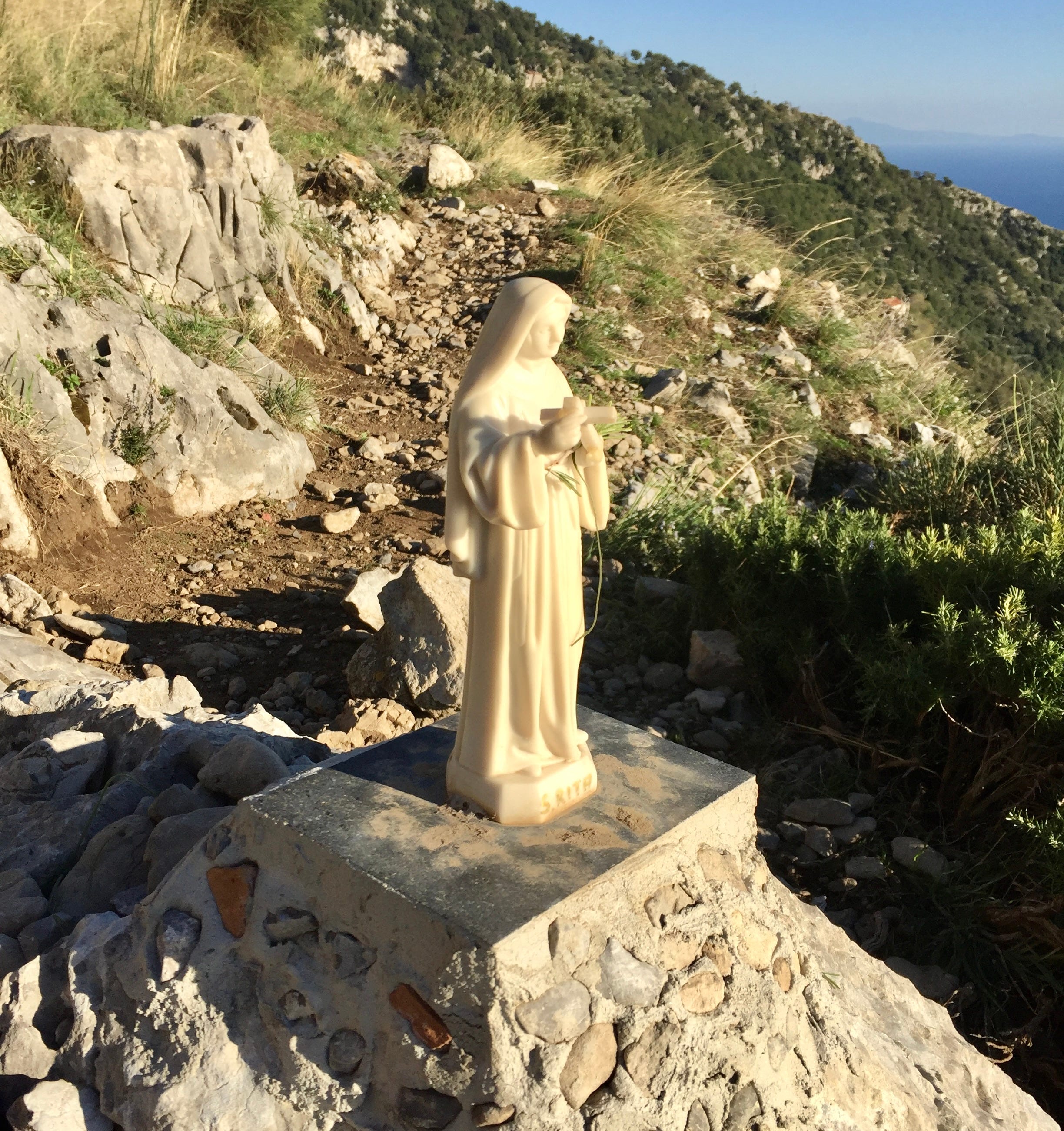
Along the trail, we passed small devotional sculptures set into the landscape—figures carved and placed on stone pedestals, watching over the path. One was a statue of the Virgin Mary, the pale stone contrasting against the rock, her presence quiet yet powerful. Standing there in the mountains, high above the sea, it felt like an offering of protection. A blessing for those moving through uncertain ground.
Coming straight out of the retreat, I was in a different state than usual. Open, unguarded, less armored. Something significant had released in me during those days in Tuscany. During one exercise, I realized I didn’t need to intervene, correct, or hold anything together — not for myself, or for anyone else. I felt lighter, more trusting. More willing to be carried by what I couldn’t control. Walking the path, surrounded by beauty, myth, and these small signs of care left by others before us, it was easy to feel held.
At the time, nothing in me felt rushed to make sense of it.
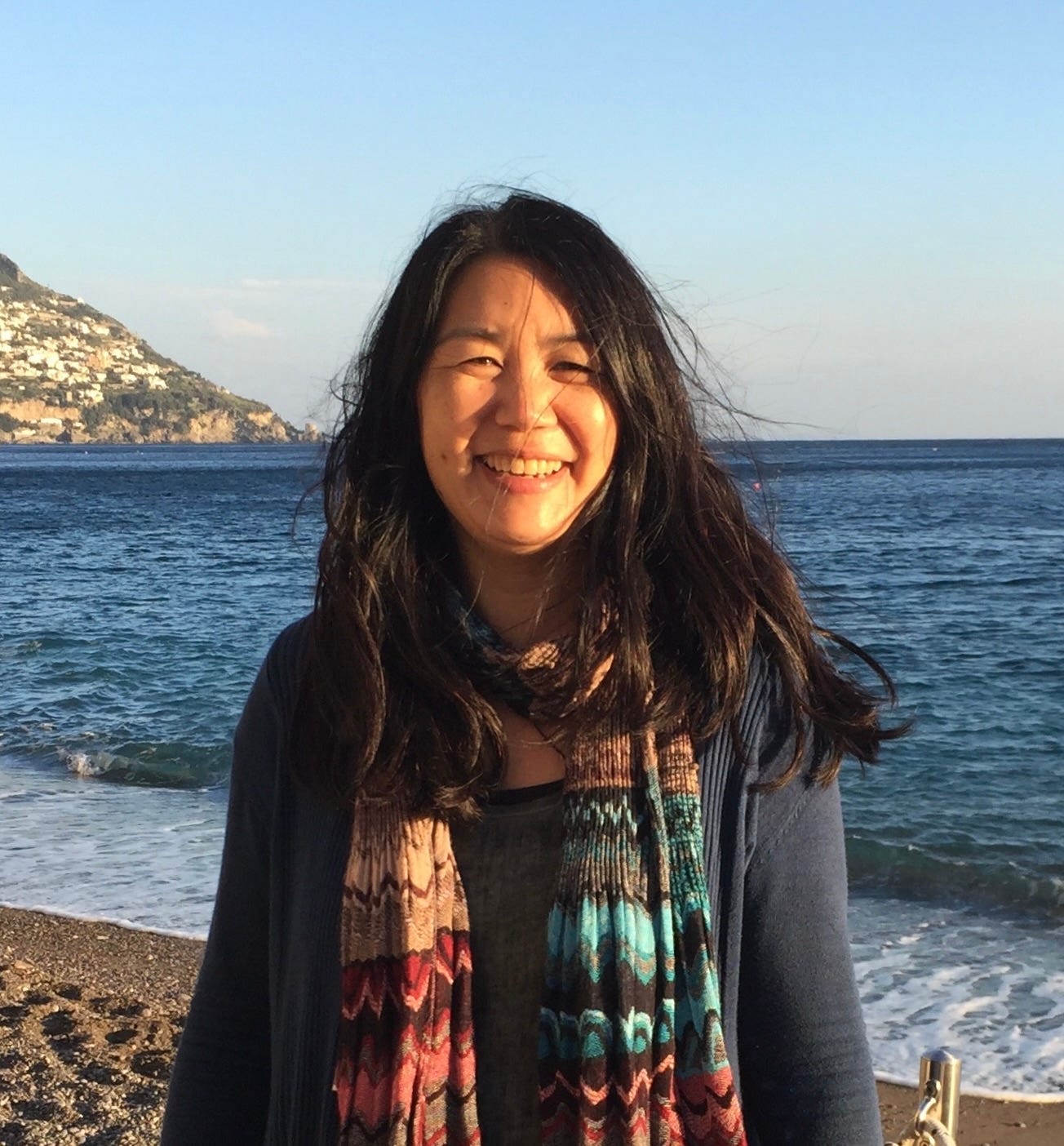
The trail wound in different directions, and at a few points we could see a small beach town below us. We had the idea to hike to the town instead of turning around, and to make our way back to Positano from there. It wasn’t very clear how to get down to this town — we didn’t have cell service and trail markings weren’t visible to us. But we were losing elevation and it just seemed inevitable that the trail would take us there. We did try asking several hikers for directions along the way, all Italian. Neither of us spoke the language, but we did our best to explain we were trying to get to the beach below. Every group that understood us said the same thing:
“You’re very close, just one more hour.”
At some point we noticed we’d been walking for several hours, and the elevation was starting to climb. Did we miss the turnoff to the beach? We kept walking. It seemed too late to turn back now. It was starting to get chilly and the sun was moving lower in the sky. More time passed and we were still climbing upwards, and had no idea where we were headed at that point. My friend was getting worried. Her nervous system was on edge, understandably. And in this kind of situation, I normally would’ve been worried too. But the uncertainty hit her differently than it hit me. I noticed that I felt an overwhelming sense of calm. Something in me knew we were going to be fine. It occurred to me that we might miss our flights the next day, but we weren’t in any immediate danger.
Finally, we met some people who spoke English, and they told us that we’d missed the turnoff to the beach miles ago. We were heading upward now, toward a small mountain town. We followed their directions and eventually found what looked like an out-of-place chain-link gate leading out of the forest along a concrete path. We walked through what felt like the backdoor to this town and found ourselves on a quiet treelined street. There were a few houses, but otherwise it was deserted.
Just then a car drove onto the street and parked. A woman older than us stepped out and we ran over to her. Thankfully she spoke a little English and we explained to her that we needed to get back to Positano that evening. She looked concerned for us.
“Oh, girls, tomorrow is a bank holiday. It’s already after 5pm. You’ve probably missed the last bus and there are no taxis from here. The buses won’t be running tomorrow either.”
She looked at us with sad eyes, and then motioned us to follow her. We walked with her to the center of the small town and stopped at the curb of a busy road with cars moving in each direction. She waved down the passing cars, calling out in Italian. She said we might be able to get a ride to Amalfi and hire a car from there. Soon after, a car pulled to the side and a man stepped out.
She explained our problem and he waved for us to follow him into a cafe located across the street. We entered into a mostly empty space and the man walked behind the counter and looked at a bus schedule posted on the wall.
“You’ve missed the last bus.”
We all just stood there with blank looks on our faces, unsure what to do next. My friend seemed rattled, clearly on high alert.
And then the man looked across the room and called out to a small group of young men watching a football match on a TV hanging on the wall. Many words were exchanged between them, and then one of the young men got up and left the cafe. The man told us that he was a driver and went to check with his boss about a car.
It felt like all the pieces were falling into place. But the situation was hitting my friend hard, and she was struggling with what was unfolding. The idea of getting into a car with a stranger made her uneasy. I felt the same concern she did, but something in me trusted how things were playing out. I tried to reassure her: if we couldn’t get a ride that night, we could find a place to stay and make our way back to Positano the next day. We might have to rebook our flights, but it wasn’t the end of the world.
About twenty minutes later, the young man returned in a black Mercedes and quoted us a fair price to Positano. My friend was apprehensive, but this was the option presenting itself, and she agreed. The driver, in his early twenties, was warm and easygoing. He spoke some English and within minutes my friend had relaxed and was chatting and laughing with him. We drove along the coast as the sun was setting, the day finally catching up to us.
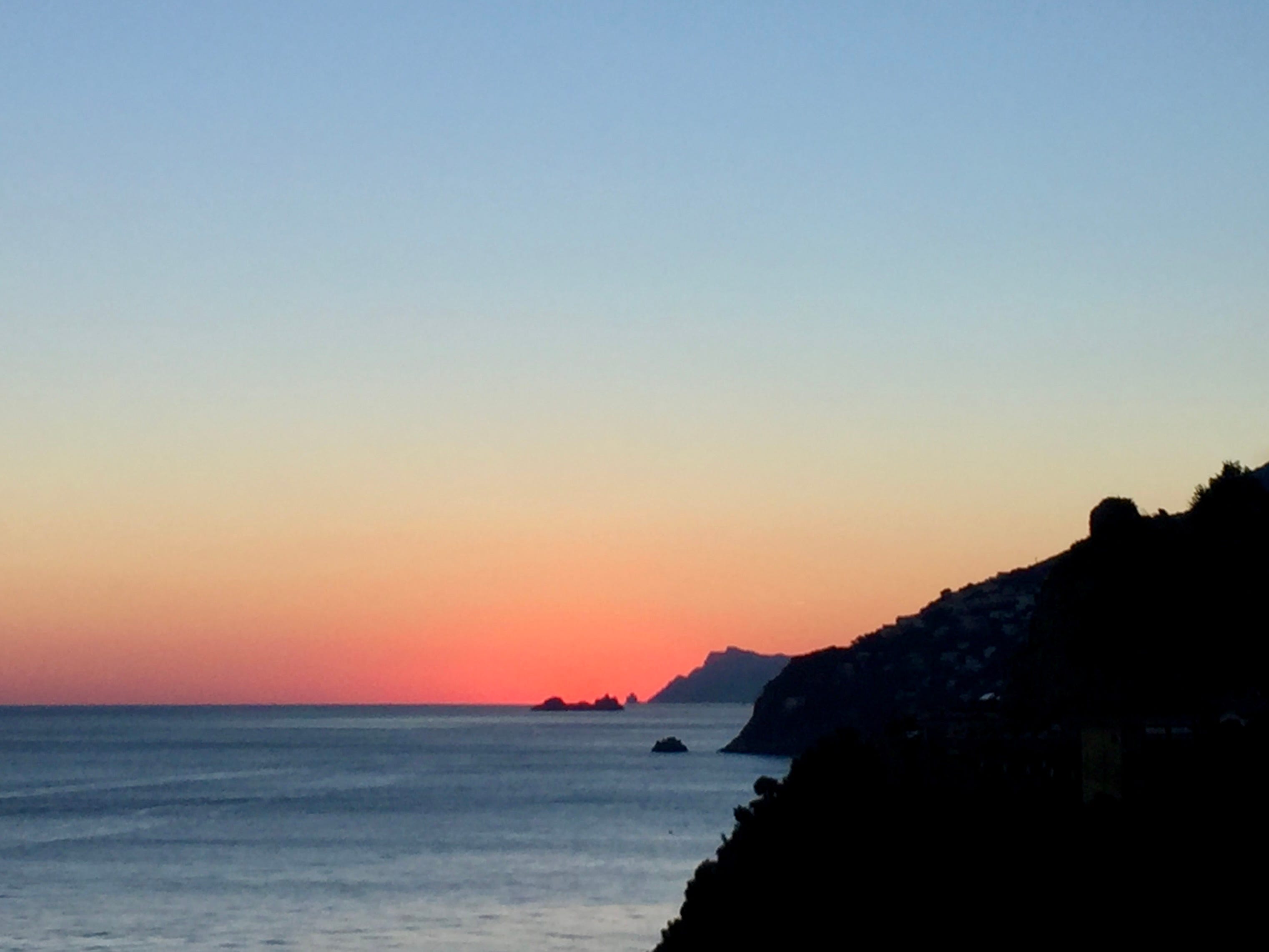
By the time we reached Positano, everything that had felt impossible hours earlier had resolved itself. We ended up at a restaurant the driver recommended, eating fresh pasta and burrata from a local farm. The lively and playful waitstaff took photos of us and with us. I looked at my friend across the table, then down at the food in front of me, unable to quite believe we’d just gone through all of that and now we were sitting here, eating food of the gods.
Tears in my eyes. I was there with you, April. Trusting. Walking. Eating. Being grateful.
Reminder of various times in my life when flow happened when I let go of any plans that I had. Thank you for the gift of your writing and the photos that you shared. Much love to you, DearHeart x
April, you have been on my mind as i have not seen your posts.
I had a felt sense you were traveling!
I am happy you let the universe take you were you needed to go. The important part is you are following the unknown path which is leaning in fear, letting be and knowing that going wider and longer is the path to true freedom and healing.
Courage to do the thing that gives you the power is amazing my friend.
Welcome back.🙏✌️